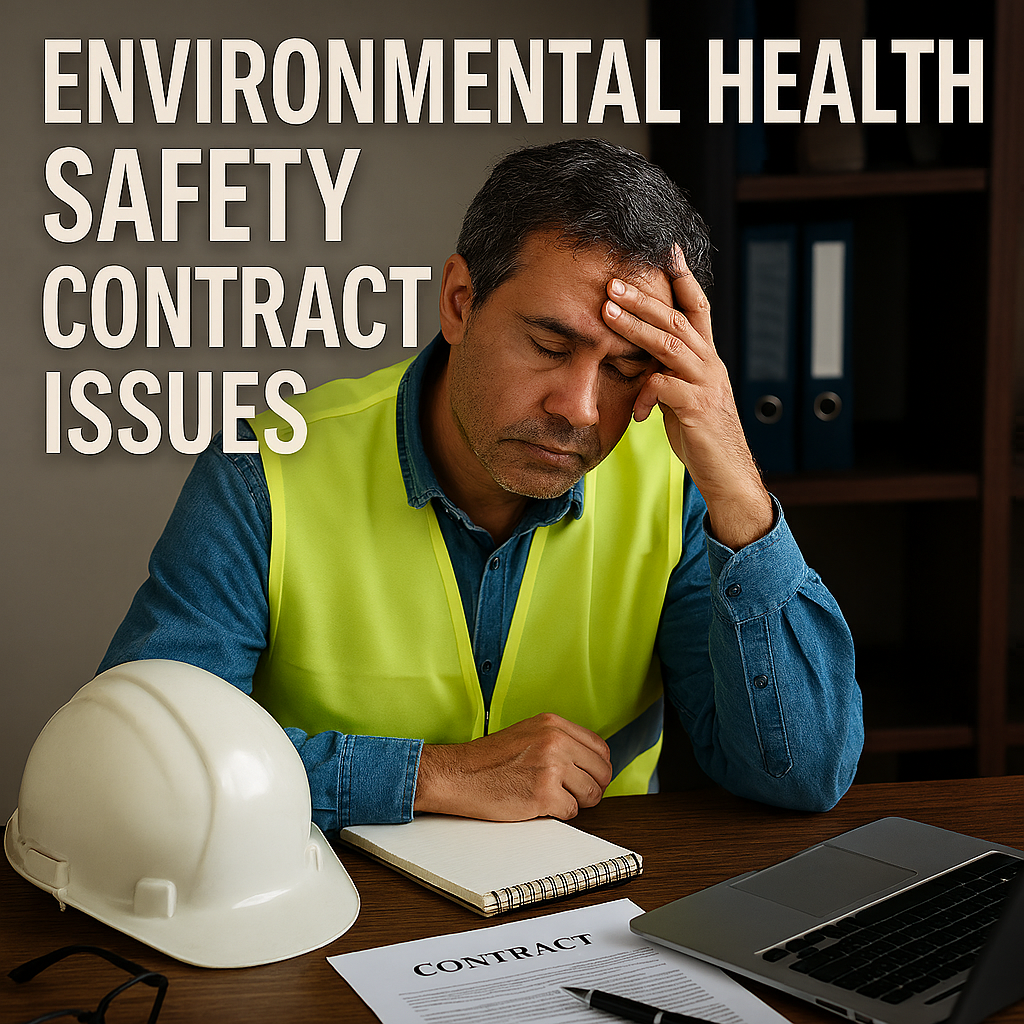
When environmental, health, and safety obligations slip through the cracks, corporations confront more than lost productivity and strained supplier relationships. They face a landscape of legal liabilities that can swiftly erode balance‐sheet strength, derail strategic initiatives, and unsettle stakeholders. From enforcement actions and citizen suits to contract disputes and insurance claims, EHS failures ripple through every corner of a business’s legal and financial framework.
Even absent government intervention, private litigants can deploy citizen‐suit provisions to obtain injunctive relief and statutory penalties against companies whose supply‐chain partners violate permit conditions or exceed emissions thresholds. Non-governmental organizations have successfully brought claims under federal air-emissions and water-quality laws, seeking court orders to force remediation or equipment upgrades. The mere prospect of these suits can chill financing rounds, as lenders and rating agencies zero-in on unresolved EHS compliance gaps.
Contract liability compounds these regulatory exposures. Sophisticated supply-chain agreements now impose detailed representations and warranties on suppliers to maintain environmental permits, comply with chemical-handling standards, and adhere to local EHS regulations. When a vendor falls short, buyers trigger indemnity obligations—often via escrowed remediation funds or insurance‐backed guarantees—to recoup cleanup costs and statutory fines. Disputes over scope and timing of remediation can spiral into arbitration or litigation, saddling the corporate parent with substantial legal fees and the risk of multiple indemnity claims across diverse jurisdictions.
Insurance coverage disputes form another battleground. Pollution-impairment and environmental-liability policies frequently contain carve-outs for “expected or intended” wrongs—and insurers will argue that failures to audit or monitor suppliers fall squarely within those exceptions. Directors’ and officers’ policies likewise attract scrutiny when shareholders allege that executive oversight failures allowed permit lapses or chemical-storage violations. Absent clear “duty to defend” language, companies may find their insurers contesting coverage for enforcement fines or contractual indemnities, leaving significant out-of-pocket exposures.
EHS missteps in the supply chain also carry collateral risks that amplify legal liability. When suppliers fail to secure discharge permits or mislabel regulated substances, product recalls and buyer rescissions become inevitable. End-customer contracts often include strict liability for breaches of environmental warranties—triggering penalty provisions, liquidated-damages claims, and even termination rights for repeated noncompliance. In tightly integrated industries, one plant’s reporting lapse can cascade into force-majeure disputes, jeopardizing downstream sales and revenue commitments.
Boardrooms, under pressure from ESG-focused investors, now treat EHS supply-chain governance as a core facet of fiduciary oversight. Failure to identify and remediate high-risk suppliers can spark shareholder litigation under state law or breach-of-fiduciary-duty claims when market value erodes. And with regulators eyeing “chain of custody” reporting mandates in the years ahead, companies lacking comprehensive supplier mapping may find themselves at the mercy of urgent compliance deadlines and fresh waves of litigation.
Legal teams must draft contracts with robust flow-down clauses, negotiate remediation escrows, and insist on audit rights that extend to subcontractors. Cross-functional EHS dashboards—fed by geospatial risk data, permit-violation feeds, and third-party audit reports—give counsel the real-time visibility needed to head off potential liabilities. Where gaps appear, rapid‐response remediation protocols, backed by standby letters of credit or insurance, ensure that enforcement orders can be satisfied without draining corporate liquidity.
In today’s tightly woven supply networks, environmental, health, and safety diligence isn’t ancillary—it’s foundational to managing legal risk. Companies that treat EHS obligations as a contractual checklist expose themselves to enforcement fines, indemnity disputes, insurance refusals, and investor lawsuits. Those that embed rigorous supplier oversight into their legal and operational DNA turn compliance from a liability into a source of competitive resilience.
David Seidman is the principal and founder of Seidman Law Group, LLC. He serves as outside general counsel for companies, which requires him to consider a diverse range of corporate, dispute resolution and avoidance, contract drafting and negotiation, and other issues. In particular, he has a significant amount of experience in hospitality law by representing third party management companies, owners, and developers.
He can be reached at david@seidmanlawgroup.com or 312-399-7390.
This blog post is not legal advice. Please consult an experienced attorney to assist with your legal issues.
Photo credit: