Case Update: Definitions in Contracts Are Applied

This commercial contract and real estate litigation emerged before the Illinois Appellate Court over a dispute concerning the enforcement of a vacancy exclusion in a commercial insurance policy. The plaintiff, Argus Investment, Inc., owned a commercial property in Chicago that was previously utilized as a brewery. In January 2022, the property sustained catastrophic water and […]
Reasonable Self Interest Is An Acceptable Defense

Is When a contract counterparty breaches, the party who is hurt often looks past the breaching party to whoever appears to have encouraged the breach — a lender, an investor, a parent company, a business partner with an interest in the outcome. The tortious interference claim that follows feels intuitive: they knew about the contract, […]
Time Is Of The Essence Means Time Is Of The Essence

I tell clients buying commercial property that the phrase “time is of the essence” can be one of the most dangerous combinations of four words in a contract. It looks like boilerplate. It is not. A March 2026 decision out of the New York County Commercial Division shows just how much can ride on a […]
Landlords: Do Not Screw Up Your Default Notices

A notice of default is a loaded instrument. Served correctly, it starts the clock that can end a tenancy. Served with a mistake, it can do the opposite—handing the tenant a defense and leaving the landlord worse off than before it acted. Talk about not messing up the easy stuff A New York dispute followed […]
Sole Discretion Does Not Mean Sole Discretion

Drafters love the phrase “in its sole discretion.” Put it next to a contractual right and you have told your client it can do the thing for any reason, or no reason, and no one can second-guess you. You may have given really bad advice. In 111 West 57th Investment LLC v. 111 W57 Mezz […]
Seven-Year Guaranty Means Seven Years But When Does The Counting Start?
When a guaranty says it lasts “the first seven (7) years,” the natural question is: seven years starting when? A recent Illinois appellate decision answered that question in the guarantor’s favor—and trimmed a six-figure judgment in the process. The facts are pretty basic. In May 2016, an LLC signed a roughly ten-year commercial lease in […]
Commercial Real Estate: Be Reasonable When Returning The Keys

Atlas Asset Management v. Kang, 2025 IL App (1st) 242311 (Ill. App. Ct. Mar. 2026) This real estate and contract enforcement matter came before the Illinois Appellate Court following a commercial dispute between a landlord, Atlas Asset Management, and its tenant, Alvin Kang. The parties had previously sought to resolve an ongoing leasing dispute by […]
Equitable Servitude In Real Estate

An equitable servitude is a legal term to describe a non-possessory interest in land that operates much like a covenant running with the land. In other words, it operates very much like a restriction on the use of land that is held by a third party. Golf courses provide a great example. In case from […]
Five Real Estate Cases to Know
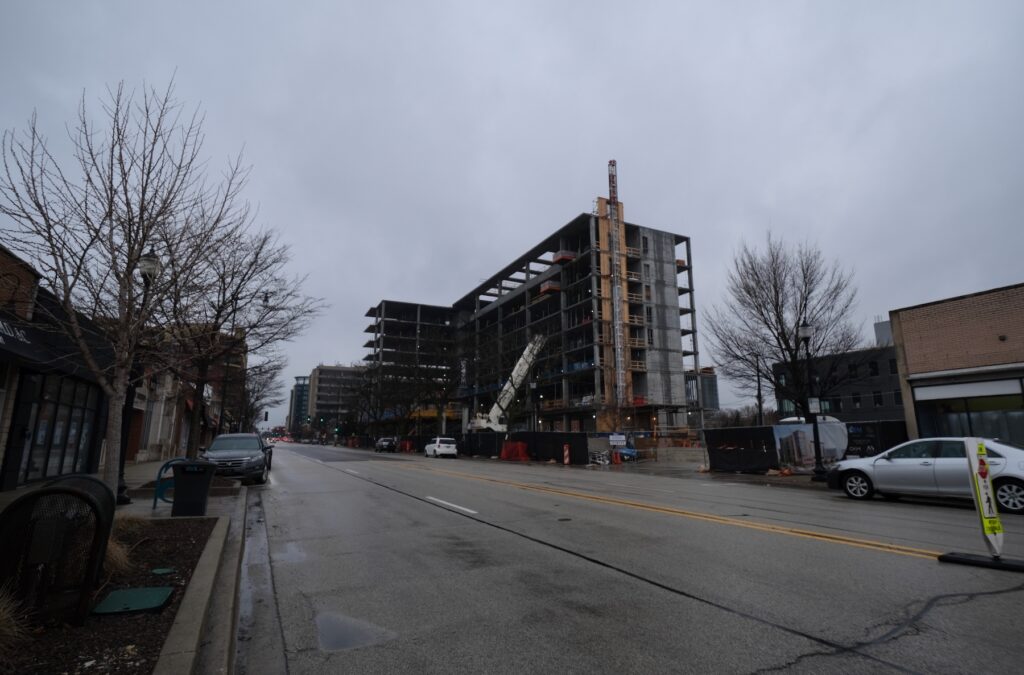
Economic uncertainty inevitably leads to litigation in all sectors. Here are five different real estate cases with issues that will lead to even more cases filed in the near future. 1. Return of Deposits for Unbuilt Co‑Living Units Case: Thirty‐Three South American Buyers v. Location Ventures (Miami‑Dade Cir. Ct., filed Feb. 2024)Issue: Breach of contract—developers […]
Illinois Law: Use of Proceeds Clauses

This imaginary case serves as a great reminder that precise drafting and prompt enforcement of use‑of‑proceeds covenants can make—or break—a commercial real‑estate loan recovery. CASE FACTS AY Properties, LLC advanced a $2.5 million construction loan to DS Investments, Inc. for the development of a mixed‑use retail property in Chicago, Illinois. Under the loan agreement, disbursements were conditioned strictly […]