Working Capital Adjustments
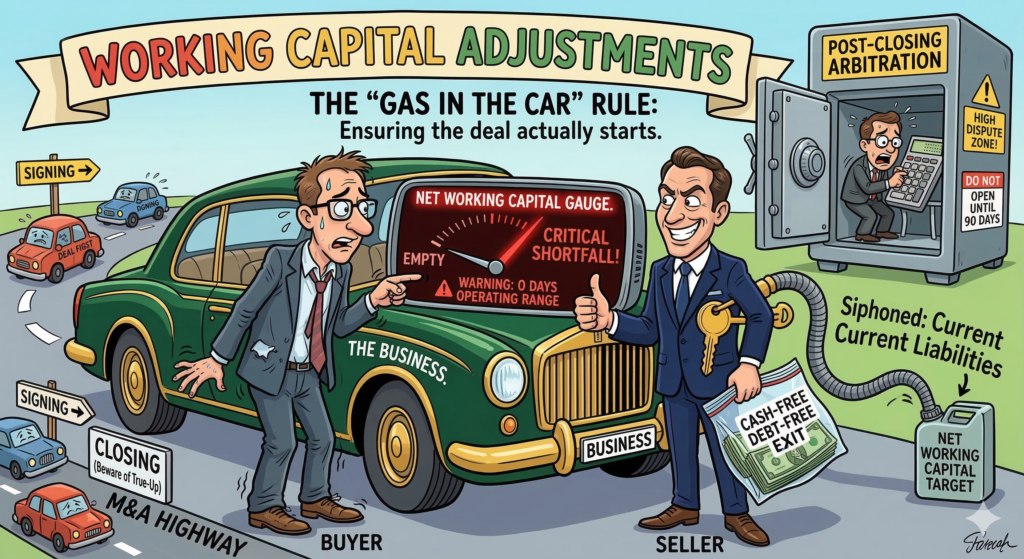
The purchase price is often adjusted post-closing in M&A deals because the working capital delivered at closing is often not adequate when compared to the negotiated target. This makes intuitive sense. The buyer expects the business to be delivered with a “normal” level of current assets to operate the business in the ordinary course. On […]
A Guide to Transition Services Agreements (TSAs) in M&A
A “Closing” is often treated as the finish line. But sometimes the Closing is merely the beginning of a complex period of operational co-dependence. When a buyer acquires a business unit that was previously integrated into a larger parent company, that unit rarely arrives as a standalone entity. It often lacks its own HR systems, […]
Examples of Earn-out Litigation

This blog post shares three real-world earn-out litigations—each in a different forum, each tied to a transaction in the $5 million–$20 million range, and each presumably costing total attorney’s fees greater than $1 million! 1. STX Business Solutions, LLC v. Financial-Information-Technologies, LLC Delaware Court of Chancery │ C.A. No. 2024-0038-JTL (Del. Ch. Oct. 31, 2024) […]
Proactively Avoiding Earn-Out Disputes

It is pretty straightforward: draft your agreement with precision, transparency and structured processes: Clarity. Accountability. Transparency. Bespoke. These are words that should define an attorney’s work at all times. David Seidman is the principal and founder of Seidman Law Group, LLC. He serves as outside general counsel for companies, which requires him to consider a […]
What Is An Earnout?

An “earn-out” is a contingent‐payment mechanism commonly used in mergers and acquisitions to bridge valuation gaps and share future‐performance risk between buyer and seller. Instead of paying the full purchase price at closing, the buyer pays a base amount up front and defers a portion of the consideration—often 10–50% of the total—to be “earned” only […]
All About Earnouts
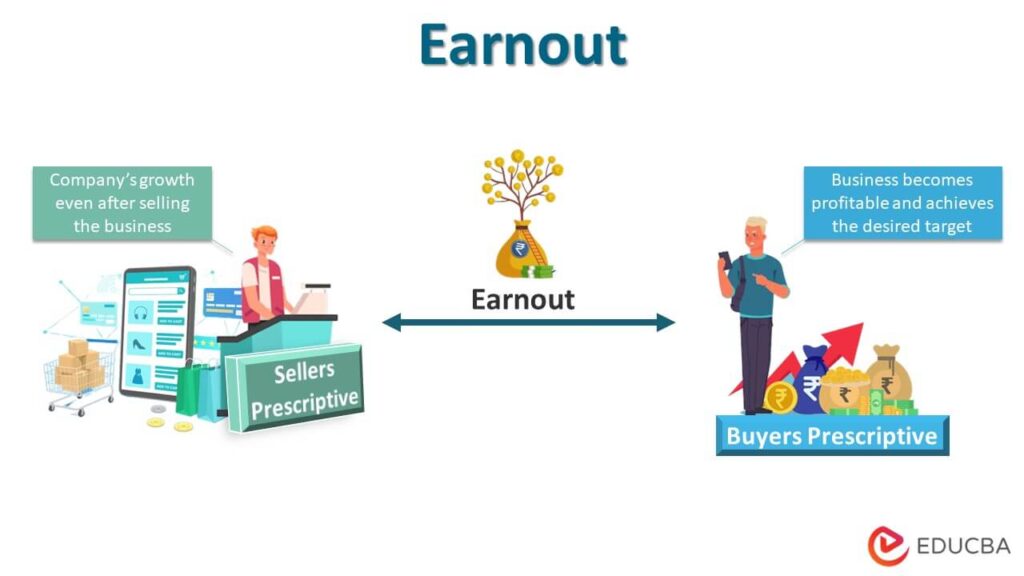
Earnout Basics An earnout is a transaction mechanism where the buyer agrees to pay additional consideration to the seller post-closing that is contingent on the target’s future performance, milestones, or events. Earnouts serve several crucial purposes in M&A deals: Key Terms in Earnout Negotiations Several critical terms must be decided upon when negotiating an earnout […]
Getting Ready for the Get Ready: Selling a Business

I hope the cheesy photo grabbed your attention because overlooking key legal aspects of an M&A deal can lead to delays, disputes, or even derail the deal entirely. Here’s a breakdown of the most important legal considerations: 🧾 1. Business Structure and Ownership 📑 2. Due Diligence Preparation 📜 3. Contracts and Assignability 🧠 4. […]
The ABCs of LOIs in M&A

Letters of Intent are generally intended to be non-binding documents setting forth the general terms of a prospective transaction between a buyer and seller. The LOI should also contain a roadmap explaining how and when the parties can reach their final agreement. Well-drafted LOIs also make unambiguous statements that protect the parties from unintended and […]