The tools keep getting better. AI can now produce a passable first draft of an NDA in seconds, flag deviations from your standard positions, and catch cross-reference errors that would take a junior associate an hour to find. For businesses negotiating commercial agreements in 2026, that is genuinely useful.
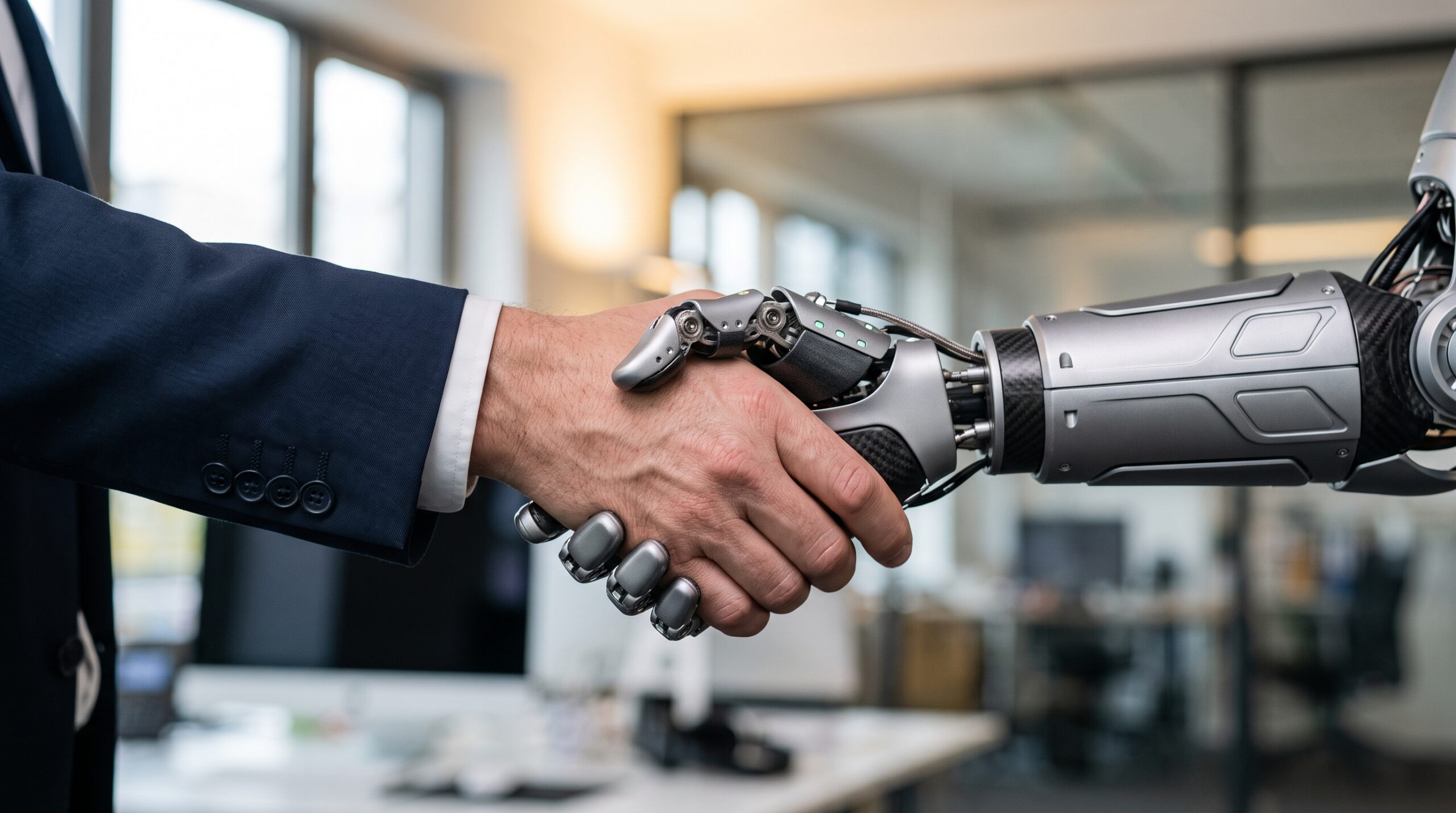
But businesspeople need a sharp reminder of where the efficiency story ends and where real risk begins: AI is a powerful drafting assistant but treating it as a substitute for experienced legal judgment in contract negotiations is a mistake that can cost you the deal.
Where AI Earns Its Keep
Everyone knows AI tools can “save you a lot of time” on the mechanical side of contract work. Specifically, they point to legitimate uses like generating initial drafts of routine agreements, identifying where a counterparty’s redline departs from agreed terms, ranking proposed changes by materiality, and performing quality-control checks on cross-references and defined terms.
These are great use cases. They also justify asking your attorneys why their fees when this work could be done in a more cost-effective manner.
Where It Falls Apart
The problems start when companies lean on AI-generated drafts without experienced review. And when companies submit AI output to opposing counsel assuming the tool “got it right”…..that is where the problems start to pile up.
Another common scenario occurs when a client submits an AI-drafted agreement to outside counsel that it claims is “very simple and straightforward.” The attorney spent more time revising that draft than it would have taken to write the agreement from scratch. Worse, the AI had inserted clauses that directly contradicted what the client actually needed.
Asking a tool to generate legal language without feeding it the context is a recipe for disaster. The tool has no reason to appreciate the client’s risk tolerance, the history between the parties, the timing pressures around a trade show or regulatory filing, and the commercial objectives that distinguish a good deal from a bad one.
Both attorneys and businesspeople need deep knowledge to evaluate what the tool produces.
The Trust Problem
Commercial contract negotiations are founded upon trust. Deals close because experienced negotiators build credibility with opposing counsel, read the room, and find creative solutions when the parties hit an impasse. Effective contract negotiation is never about generating the most aggressive markup. It is about “collaborative problem-solving that creates value” by understanding both sides’ real concerns, drawing on prior deal experience, and identifying compromises that get the transaction done.
AI tools generally produce generic, aggressive positions. An experienced negotiator knows when to push, when to concede, and what constitutes market-standard terms in a specific industry. That judgment comes from experience.
A language model trained on reading thousands of contracts is not up to these tasks.
So What?
The practical takeaways repeat what businesspeople already know but often rush past while multitasking:
Read everything before it goes out. If you use AI to generate a first draft, review every provision before submitting it to counsel or to the other side. AI-generated language that contradicts your actual objectives is worse than no draft at all — it creates confusion and undermines your credibility.
Treat AI output as a starting point, not a finished product. Challenge every clause. Ask whether each provision reflects your actual risk tolerance and business objectives, not just what a model thinks belongs in an agreement of that type.
Do not let the tool negotiate for you. AI cannot assess whether a counterparty’s position is commercially reasonable in your industry, whether a particular concession will break the deal, or whether the relationship warrants flexibility. Those are judgment calls that require human experience.
Maintain the ability to defend your positions. If you cannot explain why a provision is in your contract, you cannot negotiate it effectively. Outsourcing drafting to AI without retaining deep familiarity with the language puts you at a disadvantage the moment opposing counsel pushes back.
The One Sentence Summary
The optimal approach integrates technological fluency with human judgment.
David Seidman is the principal and founder of Seidman Law Group, LLC. He serves as outside general counsel for companies, which requires him to consider a diverse range of corporate, dispute resolution and avoidance, contract drafting and negotiation, real estate, and other issues. He can be reached at david@seidmanlawgroup.com or 312-399-7390.
This blog post is not legal advice. Please consult an experienced attorney to assist with your legal issues.
Image created by Gemini