On August 4, 2026, the U.S. Court of Appeals for the Ninth Circuit issued a landmark ruling in Amazon.com Services, LLC v. Perplexity AI, Inc., No. 26-1444. The question at the center of the case: when an AI agent accesses a third-party website on behalf of a user, who is responsible under the Computer Fraud and Abuse Act (CFAA)?
The answer, according to the Ninth Circuit: the user, not the AI company.
The Case
Amazon sued Perplexity after its AI shopping assistant autonomously browsed Amazon.com, accessed product listings, and attempted purchases on behalf of users — all without Amazon’s consent. Amazon argued that Perplexity “accessed” its servers in violation of the CFAA.
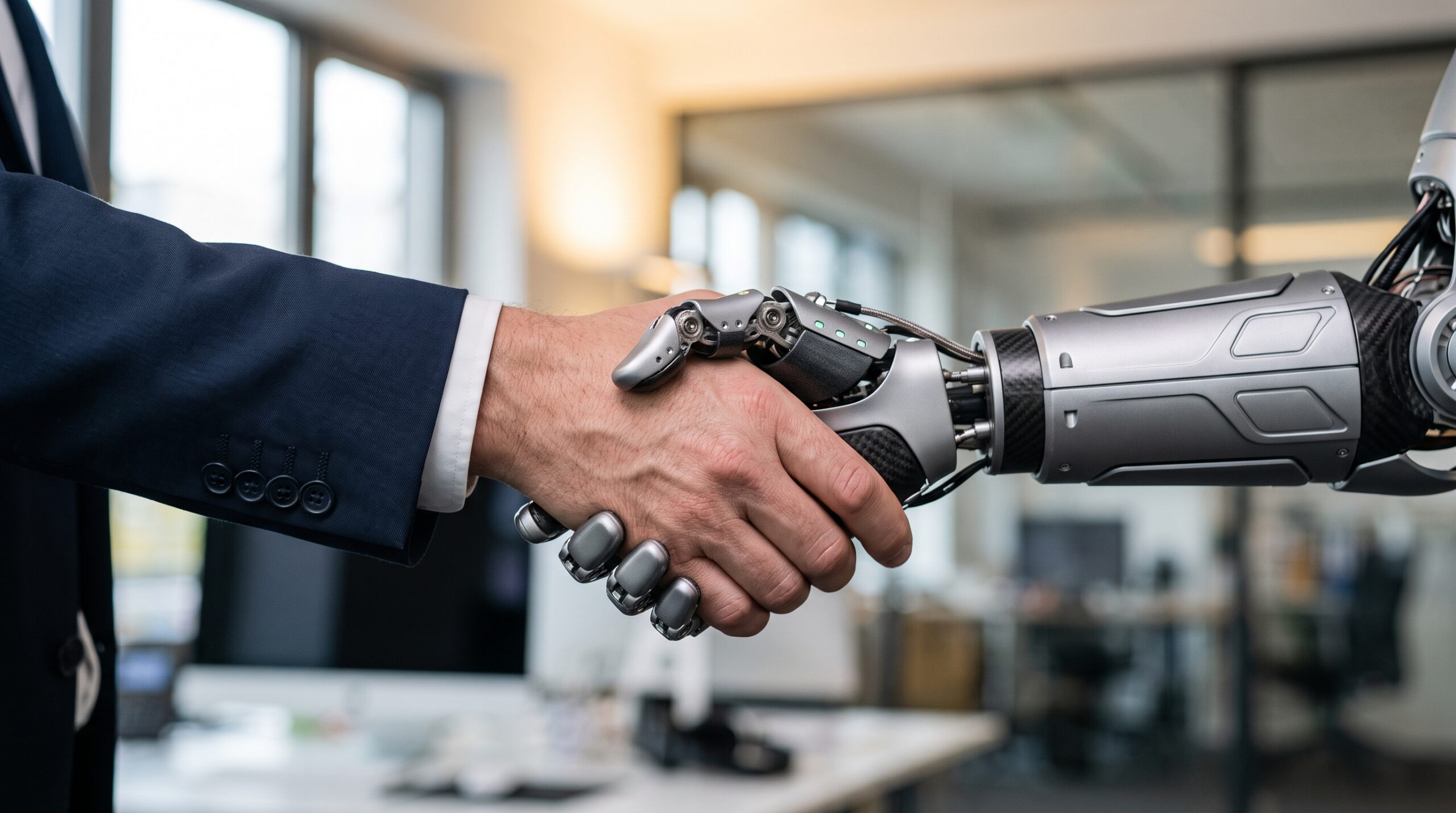
The court disagreed. The panel held that “it is the user who ‘accesses’ Amazon’s computers, with the help of the Assistant to carry out specific acts on Amazon.com.” In other words, the AI agent is a tool. The user directing it bears the legal responsibility.
Why This Matters for Small Businesses
If you’re deploying AI agents — chatbots, automated purchasing tools, AI-powered customer service — this ruling has immediate implications:
- Your users may be the ones on the hook. If an AI agent you deploy accesses a third-party platform in ways that violate its terms of service, the user directing the agent could face liability — but that doesn’t insulate your company from other claims.
- Platform terms of service matter more than ever. If your AI interacts with third-party sites, you need to review those platforms’ terms. The Ninth Circuit’s ruling turned in part on the distinction between authorized and unauthorized access.
- Document your AI’s capabilities and limits. Clear disclosures about what your AI agent can and cannot do — and who authorizes its actions — are now a practical necessity.
- Contracts need updated language. AI vendor agreements should address authority, escalation procedures, liability allocation, and logging requirements.
This ruling is narrow — it addresses anti-hacking statutes, not broader tort or contract liability. But it signals a judicial willingness to hold humans, not algorithms, accountable. That principle will shape AI governance for years to come.
David Seidman is the principal and founder of Seidman Law Group, LLC. He serves as outside general counsel for companies, which requires him to consider a diverse range of corporate, dispute resolution and avoidance, contract drafting and negotiation, real estate, and other issues. He can be reached at david@seidmanlawgroup.com or 312-399-7390.
This blog post is not legal advice. Please consult an experienced attorney to assist with your legal issues.
Image created by Claude